
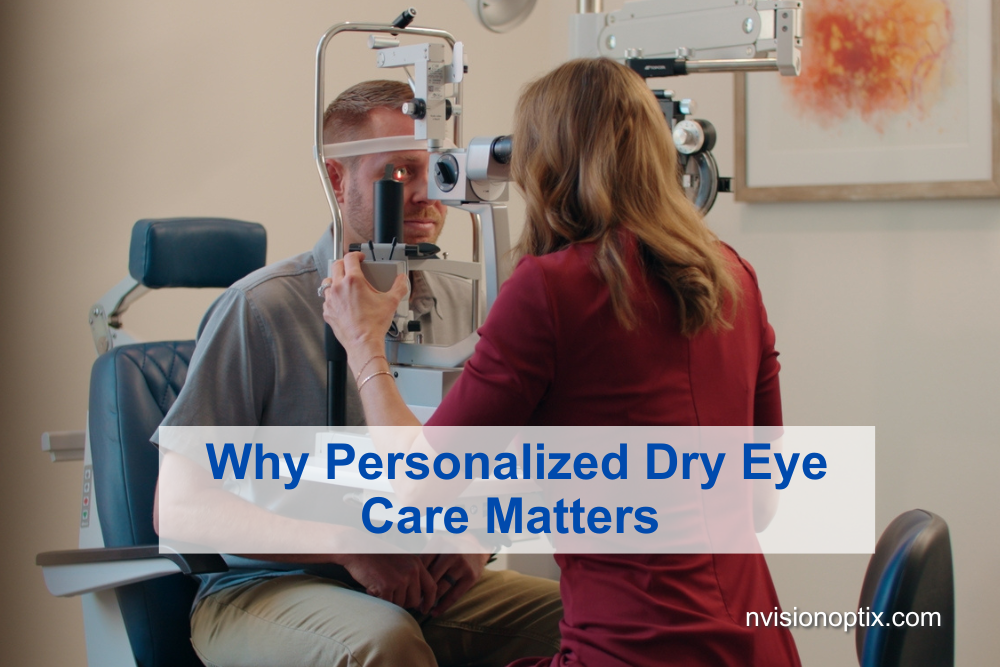
Dry eye treatment should be a personalized approach, especially when generic eye drops fall short, especially in environments like Northern Nevada. If your eyes constantly feel dry, irritated, watery, or tired, you’re not alone. Dry eye is one of the most common reasons people seek eye care, especially in Northern Nevada, where high elevation, low humidity, wind, and year-round UV exposure can make symptoms worse.
Many people reach for artificial tears, hoping they’ll solve the problem. While eye drops can provide temporary comfort, they often don’t address what’s actually causing the irritation. That’s why a personalized approach to dry eye care can make such a difference.
Dry Eye Is More Than a Lack of Tears
Despite its name, dry eye disease isn’t always caused by producing too few tears. In many cases, the tears evaporate too quickly because the oil layer that helps keep them stable isn’t functioning properly.
This is often linked to meibomian gland dysfunction (MGD), a condition that affects the tiny oil-producing glands along the eyelids. Inflammation, eyelid health, certain medical conditions, medications, and everyday habits can all contribute to dry eye symptoms.
Because several different factors can be involved, successful treatment begins with understanding what’s happening on your unique ocular surface rather than assuming every case is the same.
Step-by-Step Guide
- Grossly Underestimating the Complexity of Dry Eye
Dry eyes encompass more than just tear deficiency. NVision Optix thoroughly assesses systemic conditions, lifestyle, tear quality, inflammation, meibomian gland functionality, and ocular surface health.
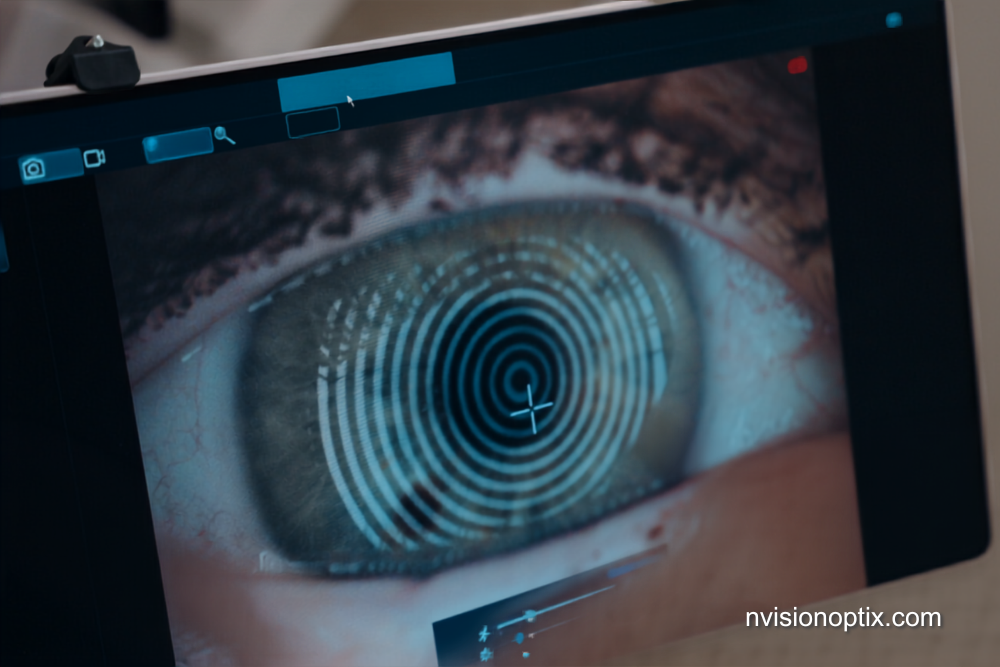
2. Identifying Environmental Aggravators
Living in Northern Nevada presents environmental stressors such as elevation, low humidity, allergies, wind and UV, which can be aware of environmental stressors such as high elevation, wind, and UV reflection, which can exacerbate dry eye symptoms. Recognizing these can help in mitigating adverse impacts on eye comfort.
3. Deciphering Which Symptoms Necessitate Professional Help Persistent symptoms, including burning, excessive tearing, blurry vision, or a gritty sensation, indicate a need for deeper evaluation. Misinterpreting these as hydration issues can lead to ongoing frustration and discomfort.
4. Understanding the Limitations of Over-the-Counter Solutions Standard artificial tears typically offer fleeting relief by not addressing the root cause. Without a diagnosis of potential gland dysfunction or inflammation, symptoms often recur, trapping sufferers in a cycle.
5. Leveraging Advanced Treatment Options Consider therapies such as FDA-approved
OptiLight IPL by Lumenis, OptiPlus Radiofrequency and OptiLift DMSt which target specific underlying causes of dry eye from the root cause. NVision Optix evaluates each patient and formulates a unique treatment plan to combat ongoing dry eye discomfort.
6. Committing to Daily Prevention Strategies Proactive eye protection can prevent symptom aggravation. Invest in UV400 sunglasses or wraparound eyewear to shield from UV and wind. Small adaptations, such as taking breaks from screens, can support long-term eye health.
Treatment Approaches Comparison Table
| Feature | Generic Treatment | Personalized Advanced Care |
| Customization | Low | High |
| Root Cause Focus | No | Yes |
| Advanced Diagnostics | Minimal | Extensive |
| Long-Term Relief | Temporary | More Likely |
| Progress Monitoring | Limited | Comprehensive |
Frequently Asked Questions
When should I schedule a dry eye evaluation?
If you’ve been relying on artificial tears for several weeks without lasting improvement, or your symptoms are interfering with daily activities, it’s worth scheduling a comprehensive dry eye evaluation.
Can Reno’s climate make dry eye worse?
Yes. Northern Nevada’s low humidity, high elevation, wind, and UV exposure can all increase tear evaporation and contribute to dry eye symptoms.
Why do my eyes water if they’re dry?
Excessive tearing is a common response to irritation on the surface of the eye. These reflex tears don’t always provide the lubrication your eyes need.
Is OptiLight IPL used for every dry eye patient?
No. OptiLight IPL is one treatment option that may be appropriate for certain patients, particularly those with meibomian gland dysfunction. A comprehensive evaluation helps determine whether it’s a suitable part of your treatment plan.
Finding the Right Approach to Dry Eye Care
Living with dry, irritated eyes doesn’t have to become your normal. Understanding the underlying cause of your symptoms is the first step toward finding treatment that’s designed for your individual needs.

At NVision Optix in Reno, dry eye evaluations go beyond temporary symptom relief. By assessing tear quality, eyelid health, inflammation, and meibomian gland function, our team develops treatment recommendations based on what your eyes need, helping you make informed decisions about your long-term eye comfort.
If dry eye symptoms are affecting your daily life, schedule a dry eye evaluation to learn which treatment options may be appropriate for you.